Foot pes valgus (from Latin pes = foot) – a medial deviation of the foot at subtalar joint Hand manus valgus (from Latin manus = hand) Nabeshima Y, Mori H, Fujii H, Ozaki A, Mitani M, Fujioka H Ankle valgus and subtalar varus in treated clubfoot J Foot Ankle Surg 09 NovDec 48 (6)6159 Takakura Y, Tanaka Y, Kumai T, Sugimoto K Development of the ballandsocket ankle as assessed by radiography and arthrography A longterm followup reportThis webinar aims to provide an overall understanding of the various types of clubfoot;

Challenging Clubfeet The Arthrogrypotic Clubfoot And The Complex Clubfoot Journal Of Children S Orthopaedics
Valgus club foot types
Valgus club foot types-Turned inwards (varus) or outwards (valgus), and/or;A deformity in which the foot is twisted out of normal position;
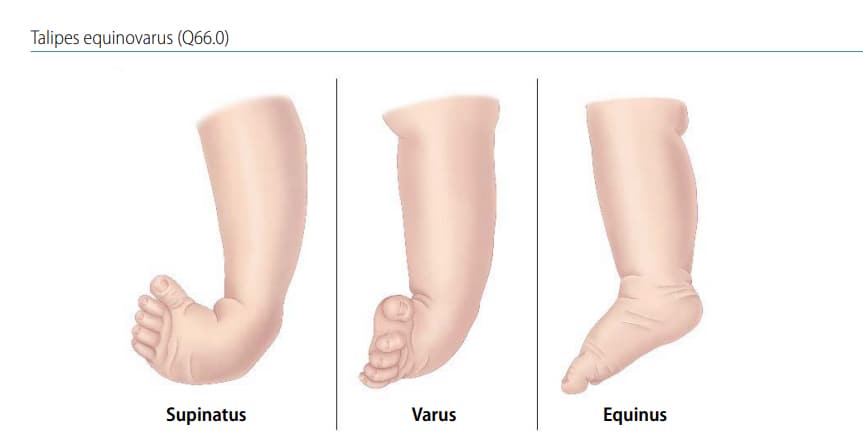


Chapter 4 9 Talipes Equinovarus Talipes Equinovarus Q66 0 Cdc
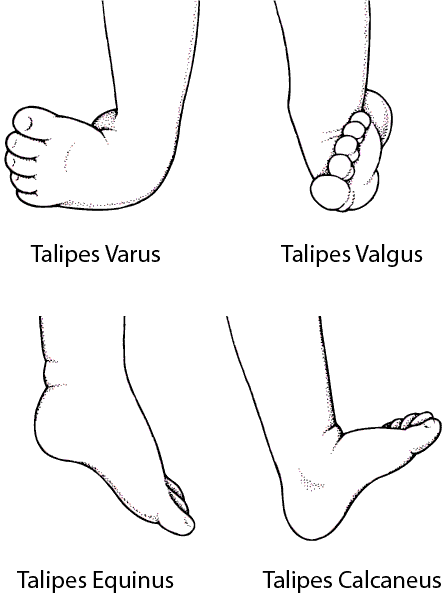
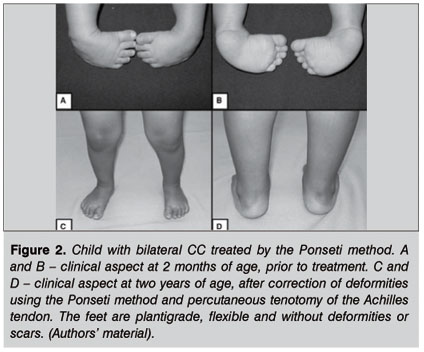
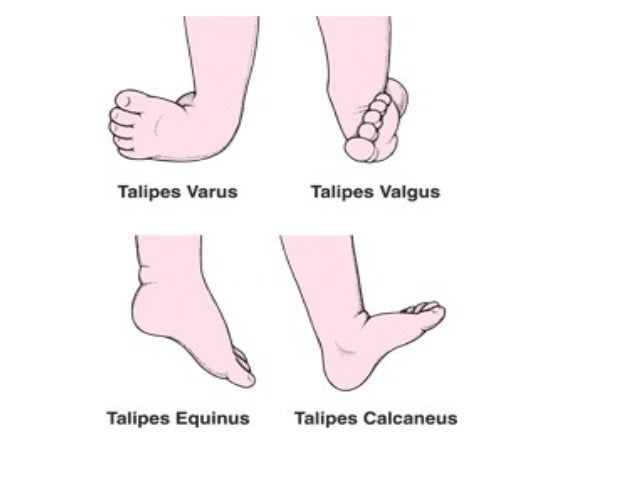
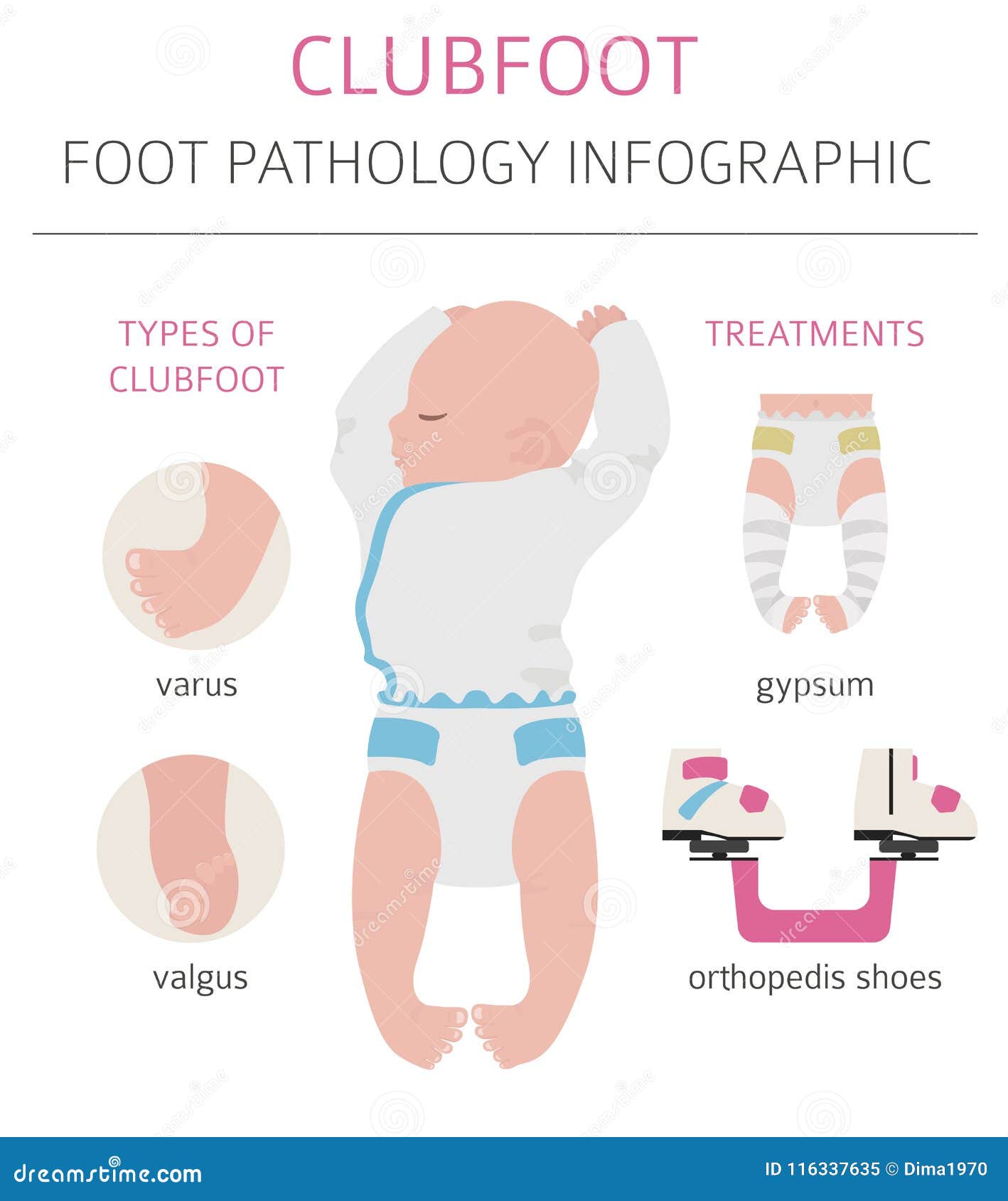
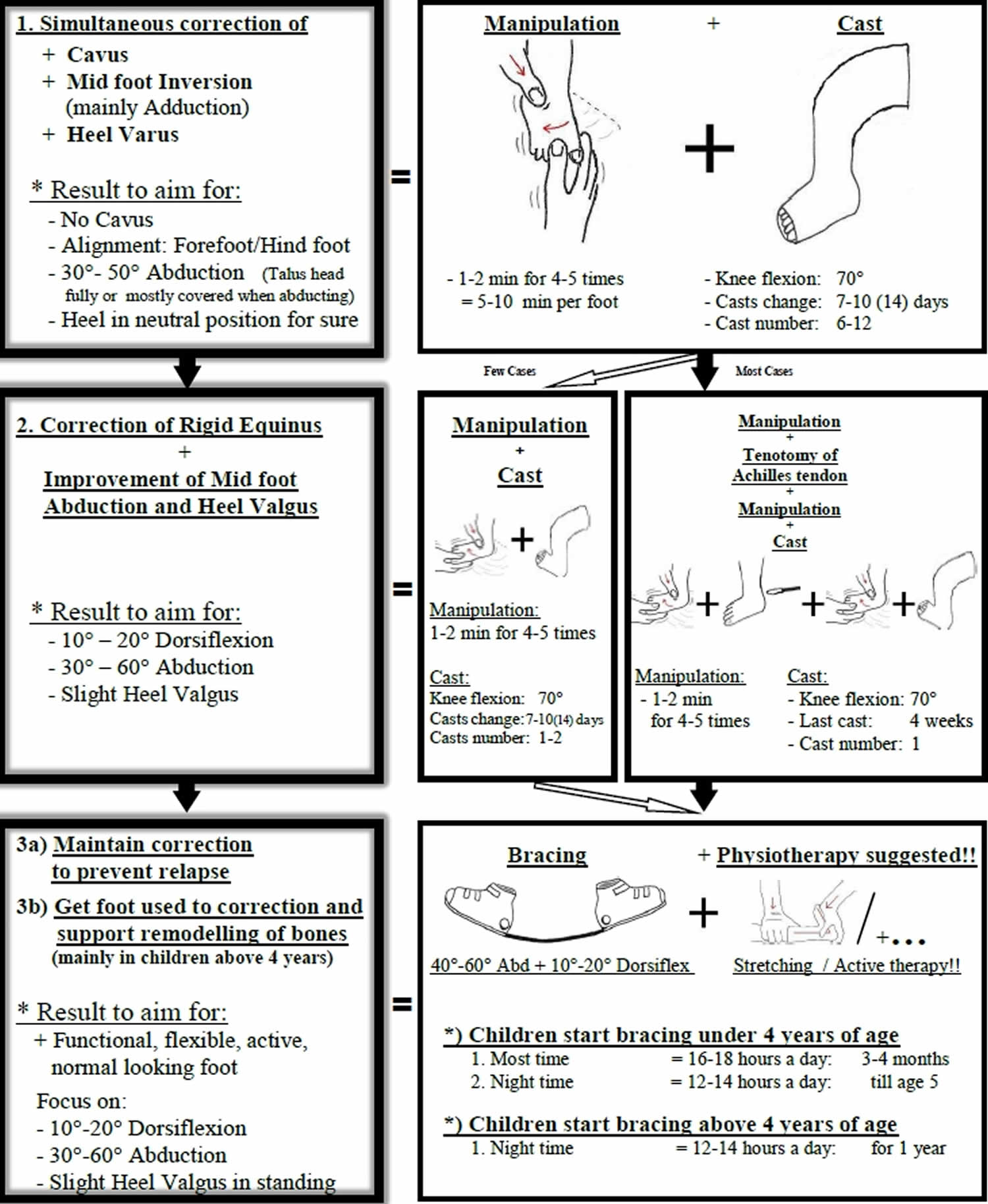
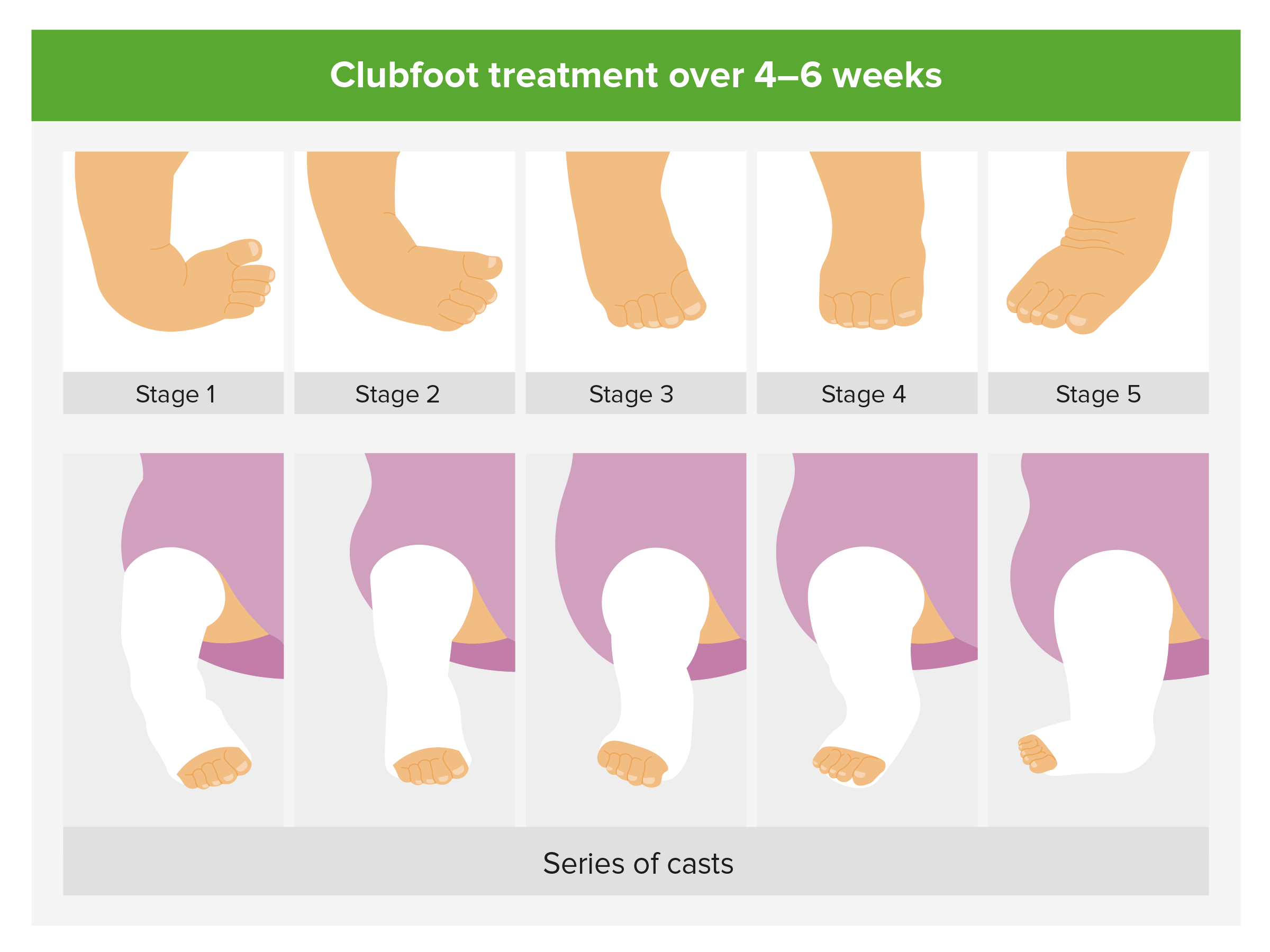
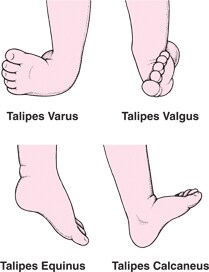
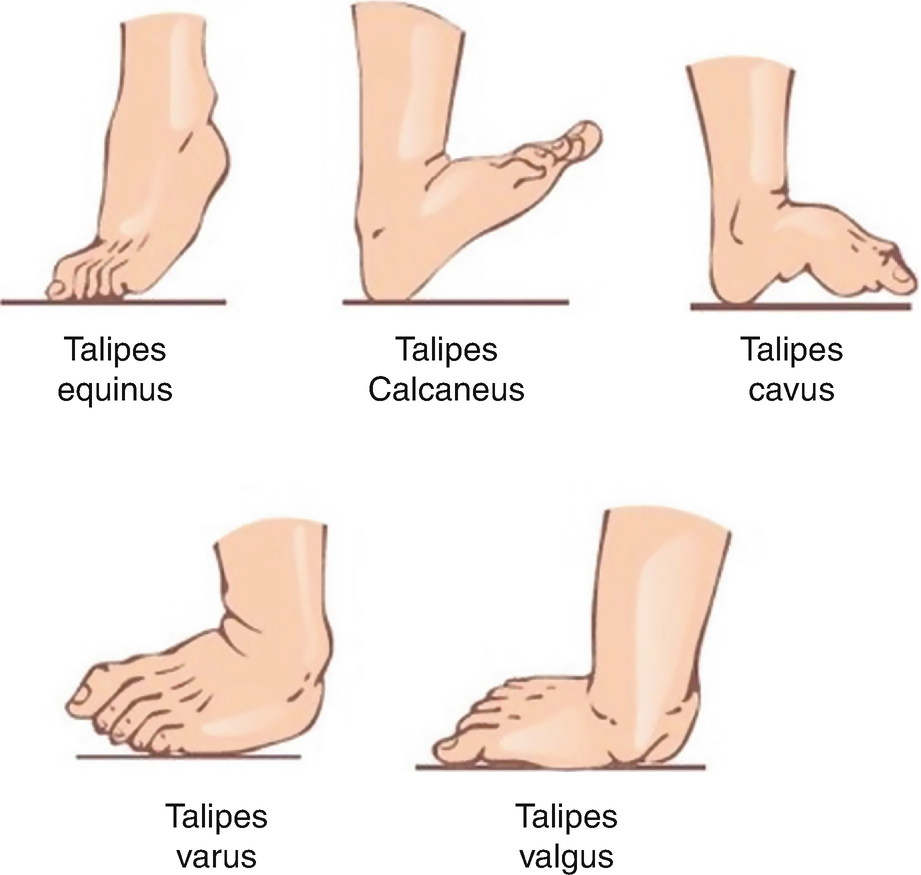
These can increase the risk of clubfoot as well 13 TYPES Talipus varus inversion or bending inward of foot Talipes valgus eversion or bending outward of foot Talipes equinus planter flexion and toe is lowe than heel • Talipes calcaneous dorsiflexion, toe is higher than heelIt can be either bilateral or unilateral and the affected feet are often small in size Clubfoot is mostly treated by something called the Ponseti method This is when the affected foot is placed in a cast that is changed many times over a 1012 week periodExcessively flexed or arched (cavus)
Are There Different Types of Valgus Knee?The Institute wrote the definitive twovolume McGlamry's Comprehensive Textbook of Foot and Ankle Surgery, which is now in its fourth edition, as well as other textbooks on topics such as board certification, and internal fixationEvery year the Podiatry Institute also publishes an Update textbook, which details the proceedings of the annual conference and contains the most currentThey won't correct on their own Club foot is a very treatable condition
Clubfoot, a prevalent and significant pediatric foot deformity, is discussed in its own chapter Here, a brief review is presented of some of the other more commonly seen conditions metatarsus adductus, tarsal coalitions, accessory navicular, planovalgus foot deformity (planovalgus), and cavas foot deformity (cavovarus) Club Foot Talipes equinovarus (once called club foot) is a deformity of the foot and ankle that a baby can be born with It is not clear exactly what causes talipes In most cases, it is diagnosed by the typical appearance of a baby's foot after they are born The Ponseti method is now a widely used treatment for talipesThe causes of a club foot from birth are unclear, although they are probably congenital Club foot is the most common foot deformity at birth It occurs in around 12 per thousand births Boys are affected more The causes of club foot occurring over the course of time include in particular Neuromuscular diseases;

Jaypeedigital Ebook Reader

Club Foot Talipes Equinovarus Ankle Foot And Orthotic Centre
Very severe club foot A Dimeglio score of 1015 suggests what?Talipes valgus or clubfoot occurs typically in an otherwise normal child Etiology Some of these factors are Abnormal intrauterine forces Arrested fetal development Abnormal muscle and tendon insertions Abnormal rotation of the talus in the mortise Germ plasm defects CTEV Incidence Occurs approximately in one of every 1000 live birth in affected families, clubfeet are about 30 times Clubfoot is a foot deformity classified into three different types idiopathic (unknown cause), neurogenic (caused by condition of the nervous system) and syndromic (related to an underlying syndrome)

A Rigid Bilateral Clubfoot In A Patient With Spina Bifida B Note The Download Scientific Diagram
Challenging Clubfeet The Arthrogrypotic Clubfoot And The Complex Clubfoot Journal Of Children S Orthopaedics
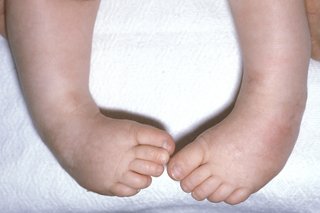
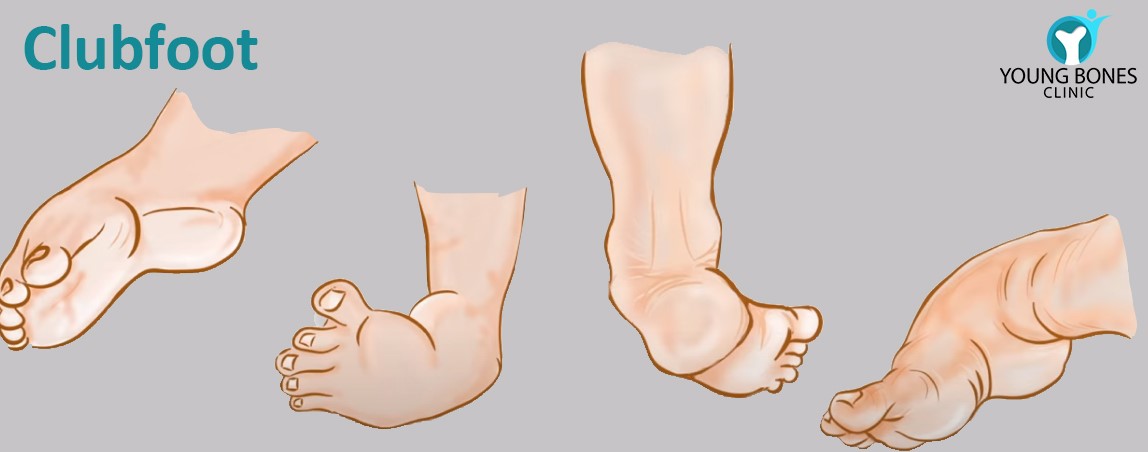
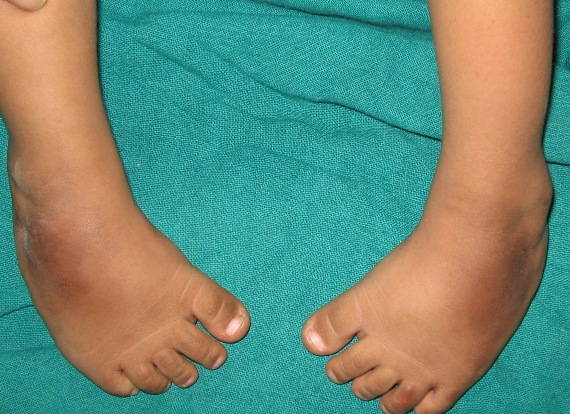
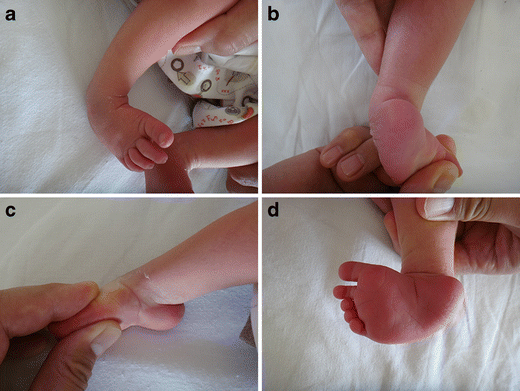
Extrinsic This type is usually mild and supple The cause can be due to intrauterine compression (large baby, abnormally shaped or small uterus, or abnormal intrauterine fluid levels) Intrinsic This type is commonly more severe, rigid and the calf muscle is smaller The foot may be smaller and there can be a bone deformity of the talusClubfoot is a birth defect where one or both feet are rotated inward and downward The affected foot and leg may be smaller than the other Approximately 50% of cases of clubfoot affect both feet Most of the time, it is not associated with other problems Without treatment, the foot remains deformed, and people walk on the sides of their feet This may lead to pain and difficulty walking Types In babies with talipes, the position of the foot can be abnormal in a number of ways It may be Pulled or contracted downwards (equinus) leading to 'tiptoe walking', or be pulled or contracted upwards (calcaneus);

The Adult Sequelae Of Treated Congenital Clubfoot Foot And Ankle Clinics

Clinical Anatomy Operative Surgery Facebook
Heightened longitudinal arch "Cavus"Plantarflexion of first ray and pronation of the forefootTalipes calcaneovalgus is a foot deformity that is relatively commonly observed in newborns It is characterized by dorsiflexion and a valgus position of the foot Some categorize it as flexible flatfoot and contrast it with rigid flatfoot, ie vertical talus, which involves bone dislocationTreatment does not usually require surgery;This video describes the Basics of Pathoanatomy (Pathological Anatomy) of the Club Foot (CTEV) and a brief description of clinical examination of a child aff

Treatment Of Relapsed Residual And Neglected Clubfoot Adjunctive Surgery Journal Of Children S Orthopaedics

Management Of Metatarsus Adductus Bean Shaped Foot Residual Clubfoot Adduction And Z Shaped Foot In Children With Conservative Treatment And Double Column Osteotomy Of The First Cuneiform And The Cuboid Najdi International
Terms in this set (27) Clubfoot (talipes equinovarus) 1) Common deformity in which the foot is twisted out of its normal shape or position 2) It is characterized by rigid midfoot Cavus, forefoot Adduction, heel Varus, and ankle Equinus (CAVE) Talipes AnyAnkle talipes valgus (from Latin talus = ankle and pes = foot) – outward turning of the heel, resulting in a 'flat foot' presentation Elbows cubitus valgus (from Latin cubitus = elbow) – turnedin elbows;Inverted or varus heel is pictured to the left (A), neutral or perpindicular position is center (B), and everted or valgus heel to the right Seldom present at birth, the deformity gradually becomes apparent as childs foot grows and matures;

Club Foot

Current Concepts With The Ponseti Technique
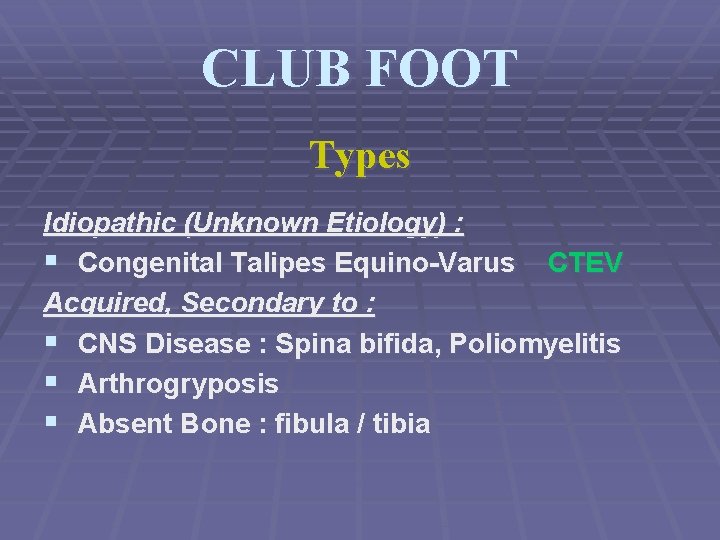
Stretching exercises and massaging are CLUB FOOT Types Idiopathic (Unknown Etiology) CongenitalTalipes EquinoVarus CTEV Acquired, Secondary to CNS Disease Spina bifida, Poliomyelitis Arthrogryposis Multiplex Congenita Absent Bone fibula / tibia 10 CTEV MOST COMMON CONGENITAL FOOT DISORDER MALES 1/1000 LIVES BIRTHS 11First, like any condition, there is a severity grade The knee is usually considered more severe if the valgus angle is more than degrees from straight (5) This problem is also classified by whether the ligaments on the side (collaterals) are tight or loose

Jaypeedigital Ebook Reader

Clubfoot In Children An Overview The Foot And Ankle Online Journal
In its normal form, the structure of the human foot allows us to walk in an upright position Feet can become deformed as a result of external factors, certain foot postures or diseases Foot deformities may – but don't always – cause problems, such as pain and walking difficulties There are various types of foot deformities Some are present at birth Congenital talipes equinovarus, also known as 'club foot', is a congenital foot deformity present at birth It is one of the most common congenital deformities The foot consists of 26 bones Most relevant for this congenital deformity are the talus, calcaneus and navicular The calcaneus and navicular are medially rotated in relation toSevere clubfoot What type of clubfoot is it used for?
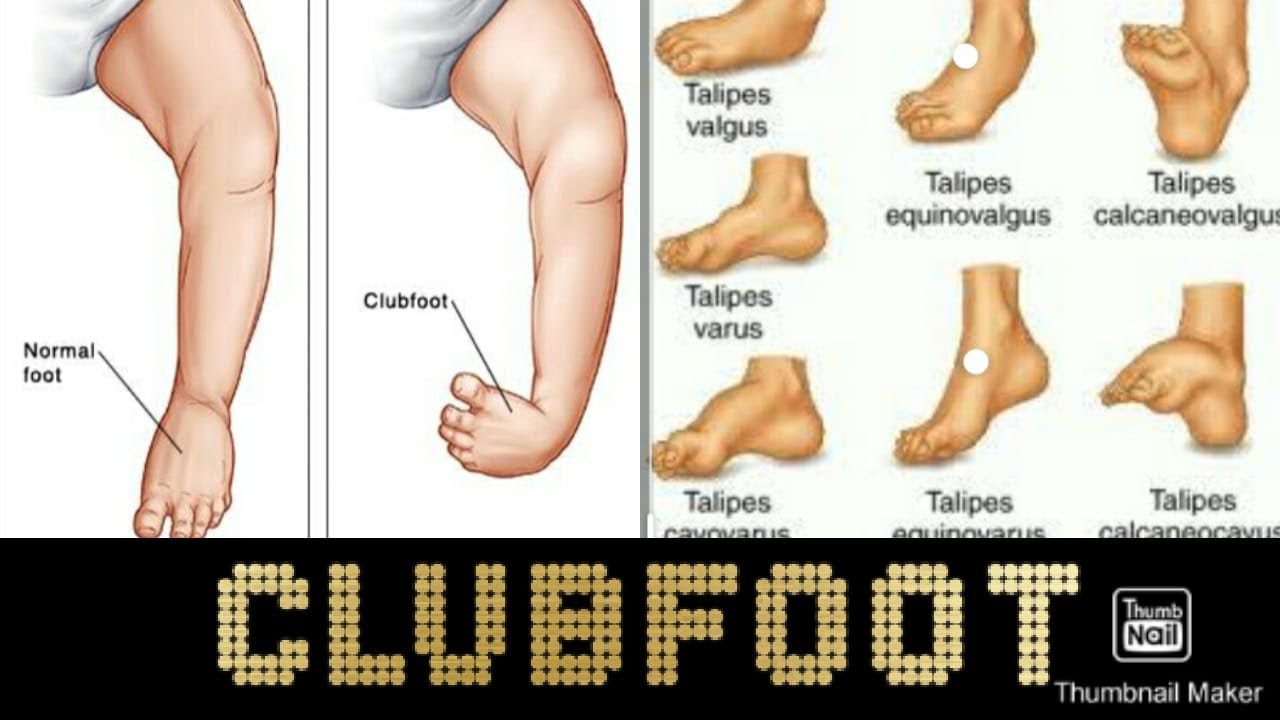
Clubfoot Its Types And Causes Simplified In Hindi Youtube
Clubfoot Repair Treatments Procedure Outlook
In a pes valgus, the back part of the foot, the socalled hind foot, bends outwards This shifts the heel outwards A pes valgus can lead to pain which can strongly affect the quality of life Pes valgus can lead to arthritis in adults A pes valgus often occurs in combination with a flat foot or flexible flat foot The causes of knee valgus are plentiful Some of the cases of knee valgus are caused by bone deformities and complications such as Osteoarthritis, Rickets and Scurvy Genetics has also been known to play a part with some people developing it early and some people developing it later in life Knee valgus is common in young children, with more than per centEversion (valgus and pronation) The metatarsals are torqued so the sole faces outward 5 bases On the lateral projection, there is less overlapping of the metatarsals and they appear as rungs of a ladder, with the fifth metatarsal lowest and the first metatarsal highest Eversion (synonyms valgus and pronation) is the opposite of inversion
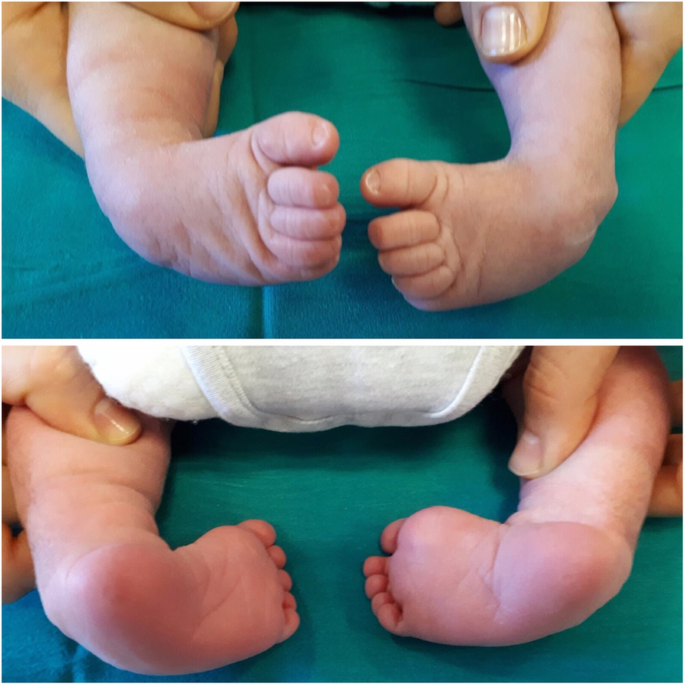
What A Paediatrician Should Know About Congenital Clubfoot Italian Journal Of Pediatrics Full Text
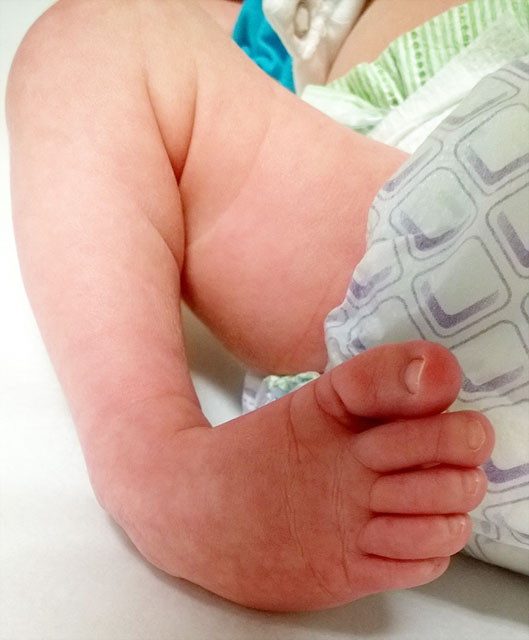
Clubfoot Johns Hopkins Medicine
Foot deformity symptoms Foot deformities are a wide array of conditions that affect the bones and tendons in the feet A foot deformity can be as common as a bunion or a hammer toe, or rarer like fused toes (tarsal coalition), a club foot,See also clubfootand see illustration It may have an abnormally high longitudinal arch (talipes cavus) or it may be in dorsiflexion (talipes calcaneus), in plantar flexion (talipes equinus), abducted and everted (talipes valgusor flatfoot), adducted and inverted (talipes varus), or various combinations of these (talipes calcaneovalgus,Other types include Congenital hallux valgus Some babies are born with bunions Juvenile or adolescent hallux valgus Tweens and teens between the ages of 10 and 15 may develop bunions Tailor's bunion Also called a bunionette, this bunion forms on the outside base of

A C A An Overcorrected Left Foot With Symptomatic Heel Valgus Is Download Scientific Diagram

Club Foot Deformities Of The Hands And Feet
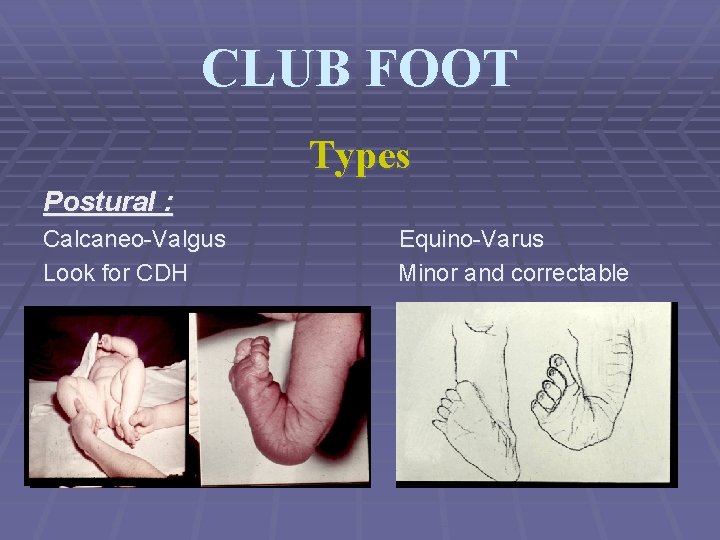
And talipes calcaneovarus (in which the ankle joint is dorsiflexed, and the forefoot deviated inwards)Club foot Congenital (common) or acquired (rare) Differential diagnosis postural clubfoot;Bilateral in 50% of cases;
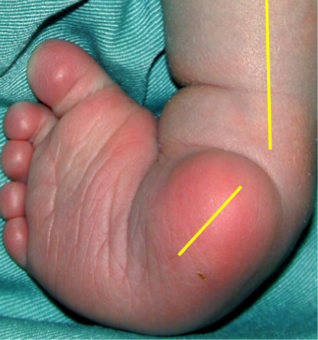
Assessing Children With Clubfoot Physiopedia

Clubfoot Congenital Talipes Equinovarus Pediatrics Orthobullets
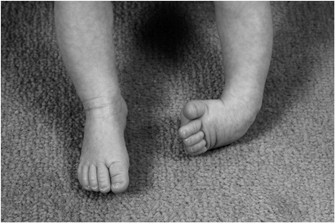
Clubfoot or talipes is a congenital deformity of the foot that occurs in approximately births with half of them being bilateral (both feet) and it is twice as common in boys as in girls The foot has a typical appearance of pointing downwards and twisted inwards Since the condition starts in the first trimester of pregnancy, the Translational Valgus Overcorrection of the Subtalar Joint 1 Definition — Deformity a Iatrogenically acquired flatfoot in an operatively treated clubfoot with excessive lateral translation of the calcaneus under the talus (Figure 517) Figure 517 Previously operated clubfoot with translational valgus overcorrection of the subtalar joint AThe most common type of club foot is congenital talipes equinovarus clubfoot, also known as congenital talipes equinovarus, is a developmental deformity of the foot one of the most common birth deformities with an incidence of 12 per 1000 live births each year in the white population (1,2) clubfoot is twice as common in boys and is bilateral
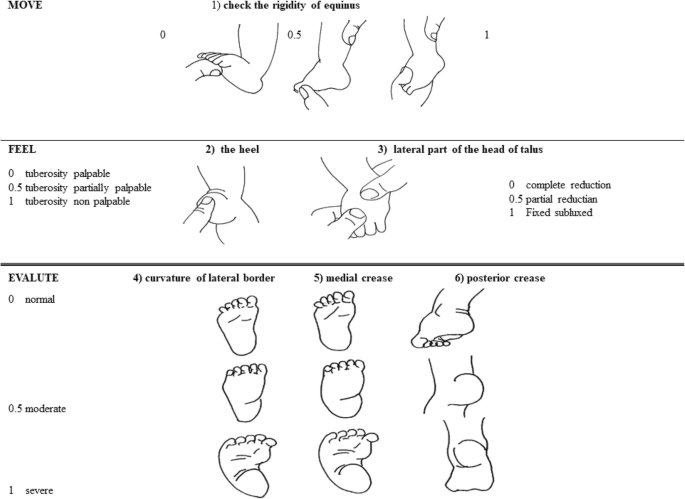
What A Paediatrician Should Know About Congenital Clubfoot Italian Journal Of Pediatrics Full Text
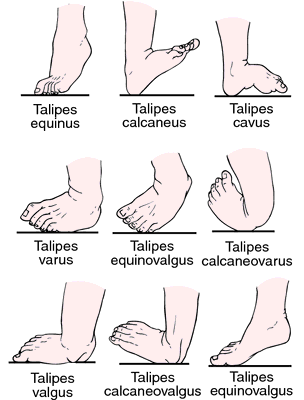
Talipes Definition Of Talipes By Medical Dictionary
Clubfoot, which is an inward and upwardturning foot, is also commonly seen with distal arthrogryposis type 1 The specific hand and foot abnormalities vary among affected individuals However, this condition typically does not cause any signsDeformity foot points downwards and inwards Hindfoot equinus and varus; CONGENITAL TALIPES EQUINO VARUS (CLUB FOOT) INTRODUCTION Congenital talipes equinovarus, also known as 'club foot', is a congenital foot deformity present at birth It is one of the most common congenital deformities The foot consists of 26 bones Most relevant for this congenital deformity are the talus, calcaneus and navicular
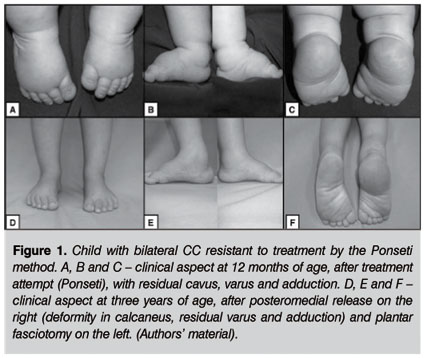
Scielo Brasil Pe Torto Congenito Pe Torto Congenito

Talipes Club Foot Health
Three types of rearfoot varus are clinically seen Uncompensated The heel functions in an inverted position The degree of tibial varum (bow leg) is greater than the amount of available calcaneal eversion through subtalar joint pronation Partially Compensated The heel functions inverted, but to a lesser angle than the total deformityLevels of all lesions were evaluated using initial operation data, the motorsensory exams, and direct radiography All patients were categorized into four different groups Thoracic region (group 1), highlevel lumbarL12 region (group 2), mild and lower lumbar regions (L345) (group 3), and Sacral region (group 4)Calcaneovalgus foot is one of the most common deformities of the foot seen in newborns Babies with this condition are born with their foot and ankle excessively bent up, where the toes are usually touching the shin
Clubfoot And Other Foot Defects Children S Health Issues Merck Manuals Consumer Version

Common Childhood Foot Deformities Consultant360
Clubfoot Clubfoot is a deformity in which an infant's foot is turned inward, often so severely that the bottom of the foot faces sideways or even upward Approximately one infant in every 1,000 live births will have clubfoot, making it one of the more common congenital (present at Examination shows that the foot passively achieves a plantigrade position with neutral heel valgus and ankle dorsiflexion to 15 degrees The forefoot inverts during active ankle dorsiflexion Mild residual metatarsus adductus is presentThe most frequent foot deformity is flatfoot, congenital club foot and hallux valgus Prior to the decision on surgical treatment of the deformity, whenever possible the patient should be referred for physical therapy that may yield acceptable results in specific treatment phases

Feet

272 Clubfoot Stock Photos And Images 123rf
Be sure to differentiate TEV from other types of "clubfoot", such as talipes calcaneovalgus, common in trisomy 18 (in which the ankle joint is dorsiflexed instead of plantar flexed, and the forefoot deviated outwards);Varus deformity, or medial side tightness, is corrected by a stepwise release of the medial soft tissue structures, the capsule, the pes anserine tendons, and the medial collateral ligament In correcting valgus deformity, there is no stepwise sequence However, preserving the integrity of the iliotibial band and protecting the lateral collateral ligament are thought to preventTreating Pediatric Clubfoot and Pes Planus The word orthopaedic has two ancient Greek roots " orthos " meaning straight or right, and " paideia " referring to the rearing of children Thus, the original term pertained to the treatment of disorders of the bones and joints and the correction of skeletal abnormalities in children

Clubfoot Wikipedia
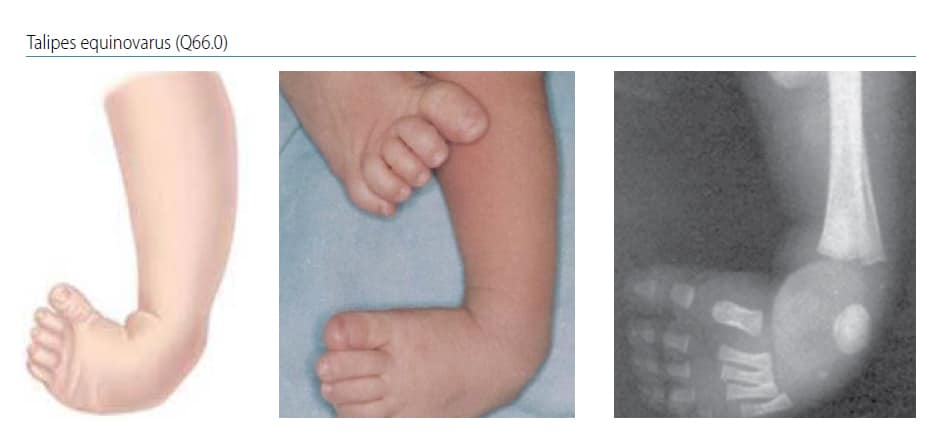
Chapter 4 9 Talipes Equinovarus Talipes Equinovarus Q66 0 Cdc
Idiopathic, syndromic, positional and atypical as well as explainingCongenital Talipes Equinovarus is sometimes referred to as club foot Club foot occurs in less than 05% of births It is more common in boys than girls In half of the babies with club foot, both feet are affected The feet need to be corrected;Typical clubfoot Elevate 1st ray to decrease the cavus Talar head is pushed medially Hindfoot valgus, equinus, and contracture of tendoAchilles
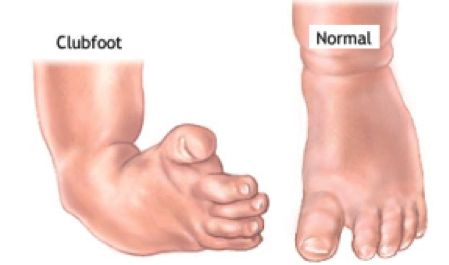
Club Foot Disorders Davis Foot Comfort Center

Clubfoot Congenital Talipes Equinovarus Pediatrics Orthobullets
Mechanism Dominant posterior musculature, especially tibialis posterior, weak peroneus muscles;
Club Foot Nhs

Clubfoot Nurse Key

Clubfoot Flip Ebook Pages 1 Anyflip Anyflip
Scielo Brasil Pe Torto Congenito Pe Torto Congenito

Clubfoot Pdf Pied Medecine Clinique
Clubfoot Treatment In Gurgaon Delhi Young Bones Clinic

Prevalence And Characteristics Of Congenital Talipes Equinovarus Clubfoot In Northern Ghana A Two Year Retrospective Descriptive Study African Journal Of Current Medical Research

Clubfoot

Congenital Talipes Equinovarus Clubfoot Orthopaedicprinciples Com

Club Foot Talipes In Babies Causes Signs Treatment Youtube

Foot Deformities Knowledge Amboss
Kids Health Information Clubfoot Boots And Bar

Before Going To Doctor Which Must Know About Clubfoot Rxharun
1

A Rigid Bilateral Clubfoot In A Patient With Spina Bifida B Note The Download Scientific Diagram
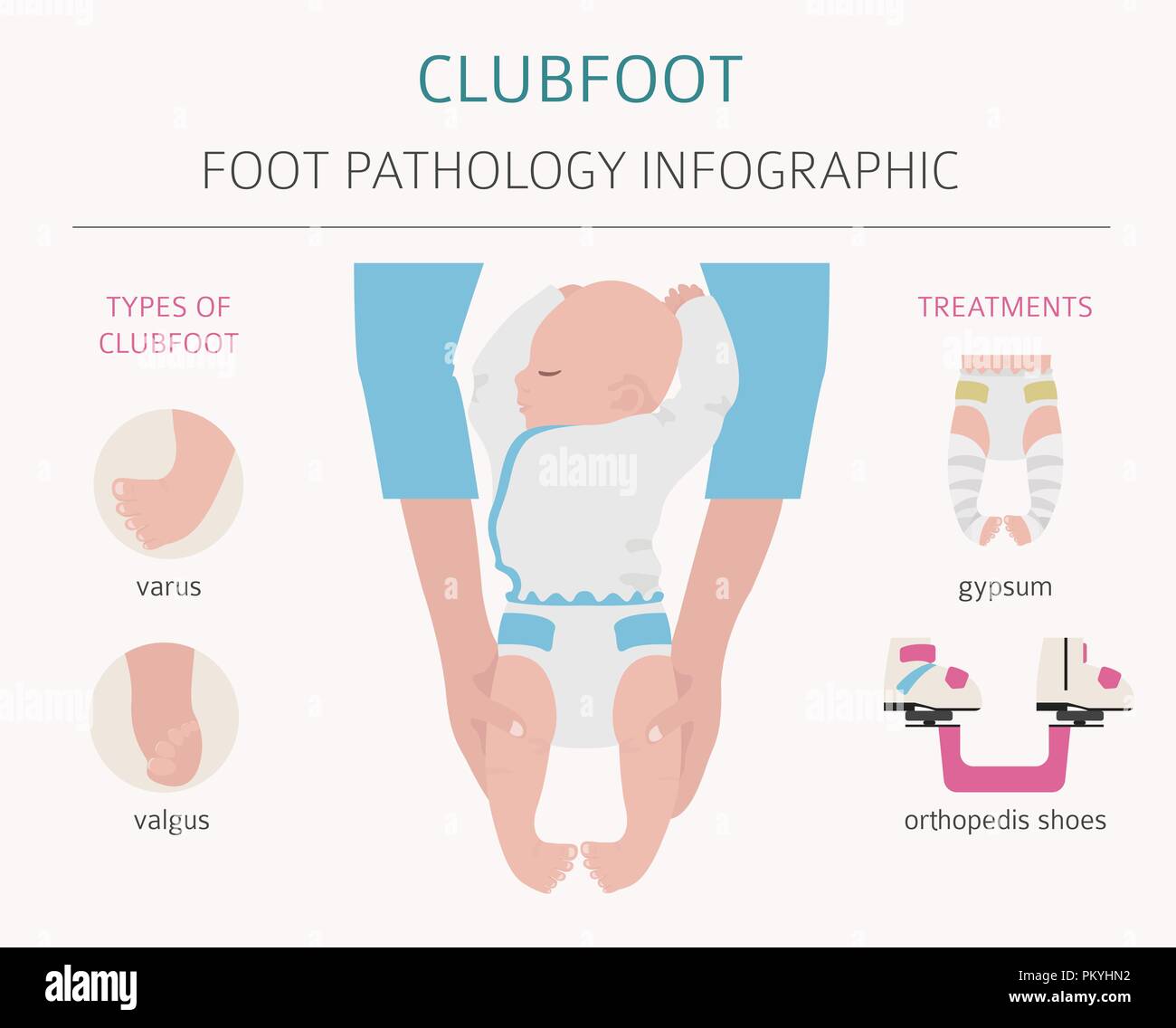
Foot Deformation Medical Desease Infographic Clubfoot Defect Vector Illustration Stock Vector Image Art Alamy
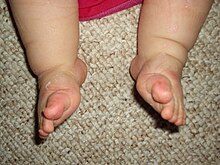
Clubfoot Wikipedia
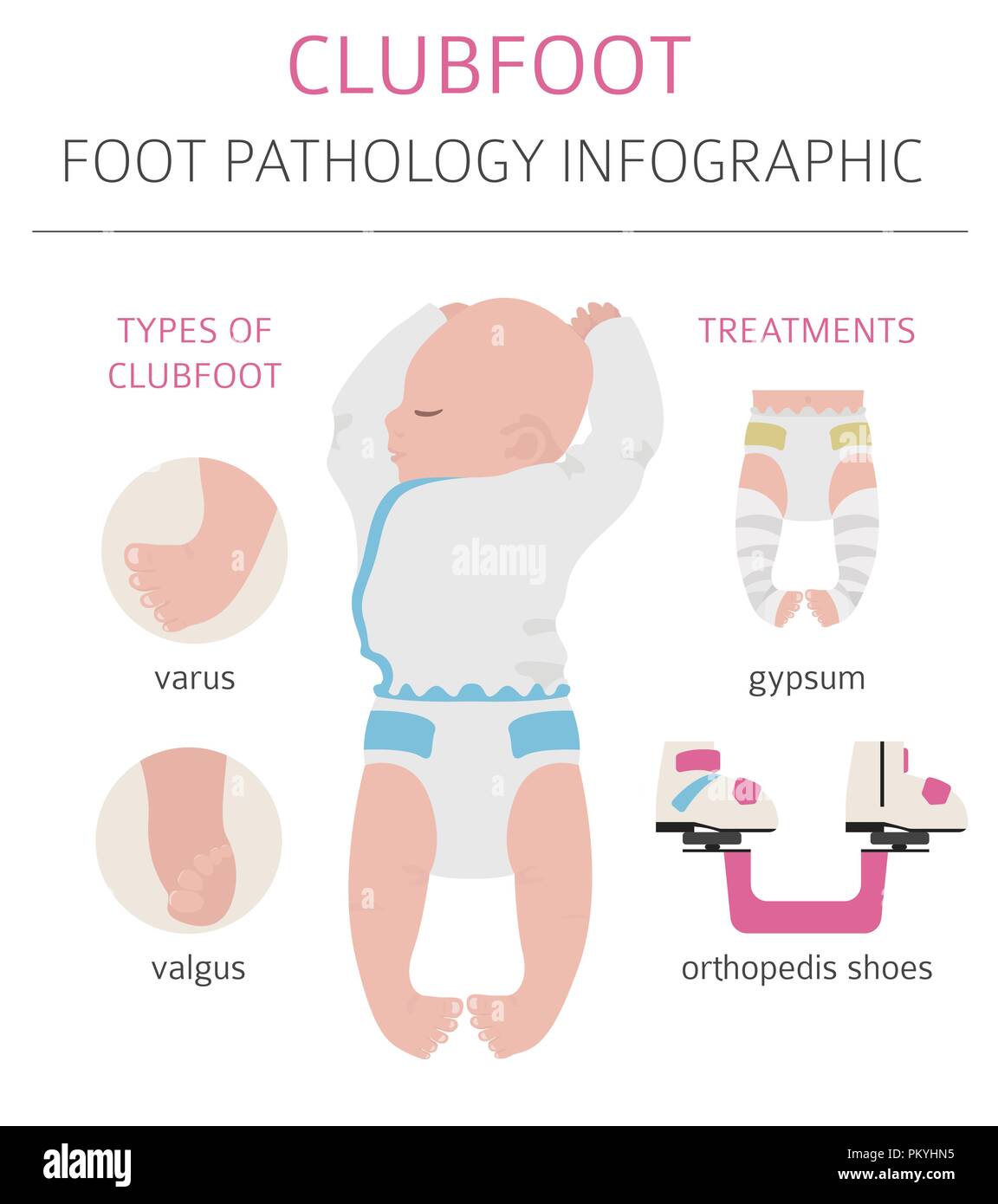
Foot Deformation Medical Desease Infographic Clubfoot Defect Vector Illustration Stock Vector Image Art Alamy
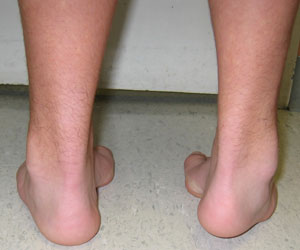
Pediatric Foot Deformities An Overview
Club Foot 1

Clubfoot Wikipedia
1
Clubfoot Orthoinfo os
Congenital Talipes Equinovarus Or Club Foot Bone And Spine

Club Foot The Foot And Ankle Online Journal
Clubfoot Stock Illustrations 98 Clubfoot Stock Illustrations Vectors Clipart Dreamstime
Kids Health Information Clubfoot Boots And Bar

Clubfoot Orthopaedia
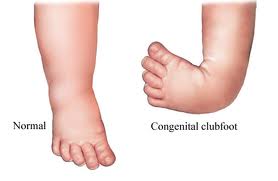
Introduction To Clubfoot Physiopedia

Club Foot Symptoms And Treatment

Foot Deformities Various Talipes Conditions Pediatric Physical Therapy Pediatric Nursing Medical Terms
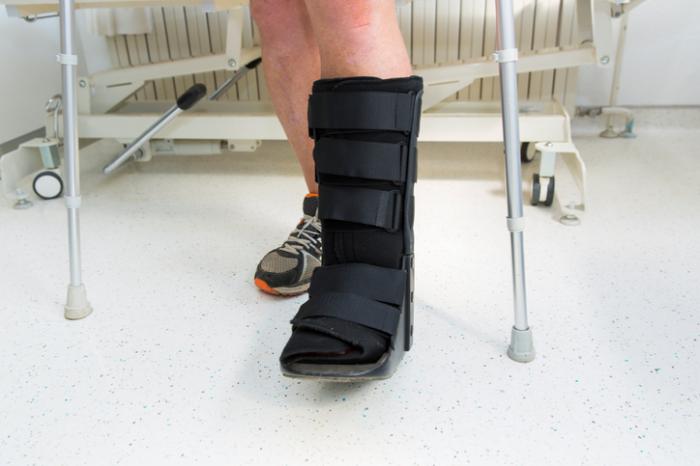
Clubfoot Causes And Treatments

Congenital Clubfoot Congenital Talipes Equino Varus Ppt Video Online Download
Clubfoot What Is Clubfoot What Causes Clubfoot Who Gets Clubfoot What Are The Symptoms Of Clubfoot

Talipes Pediatric Physical Therapy Medical Anatomy Medical Dictionary
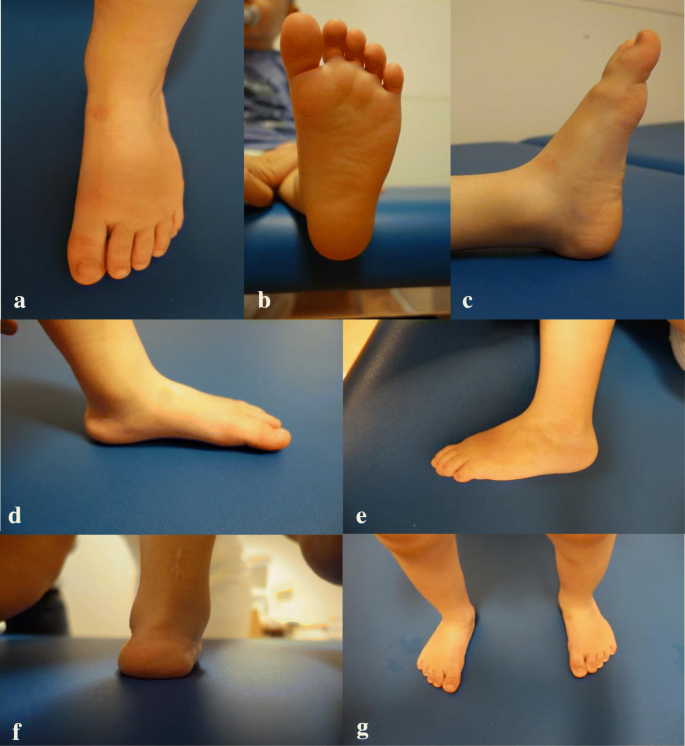
Is Unilateral Lower Leg Orthosis With A Circular Foot Unit In The Treatment Of Idiopathic Clubfeet A Reasonable Bracing Alternative In The Ponseti Method Five Year Results Of A Supraregional Paediatric Orthopaedic Centre

Common Childhood Foot Deformities Consultant360
Chapter 4 9 Talipes Equinovarus Talipes Equinovarus Q66 0 Cdc

Clubfoot Pdf Pied Medecine Clinique

B Quad Foot Type Bradford Ma Pistone Foot Care Center

Management Of Foot Deformity In Children Sciencedirect
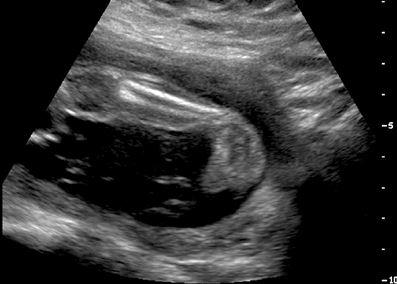
Clubfoot Congenital Talipes Equinovarus Pediatrics Orthobullets
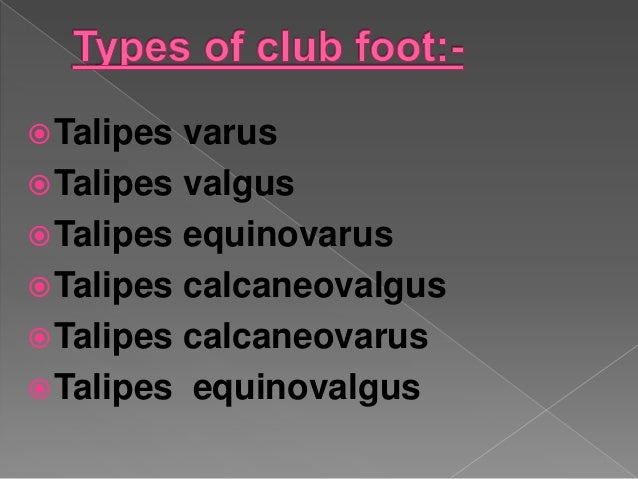
Club Foot

Congenital Talipes Equinovarus Or Club Foot Bone And Spine

Varus Deformity Clip Art Royalty Free Gograph

Metatarsus Adductus

Treatment Of Relapsed Residual And Neglected Clubfoot Adjunctive Surgery Journal Of Children S Orthopaedics
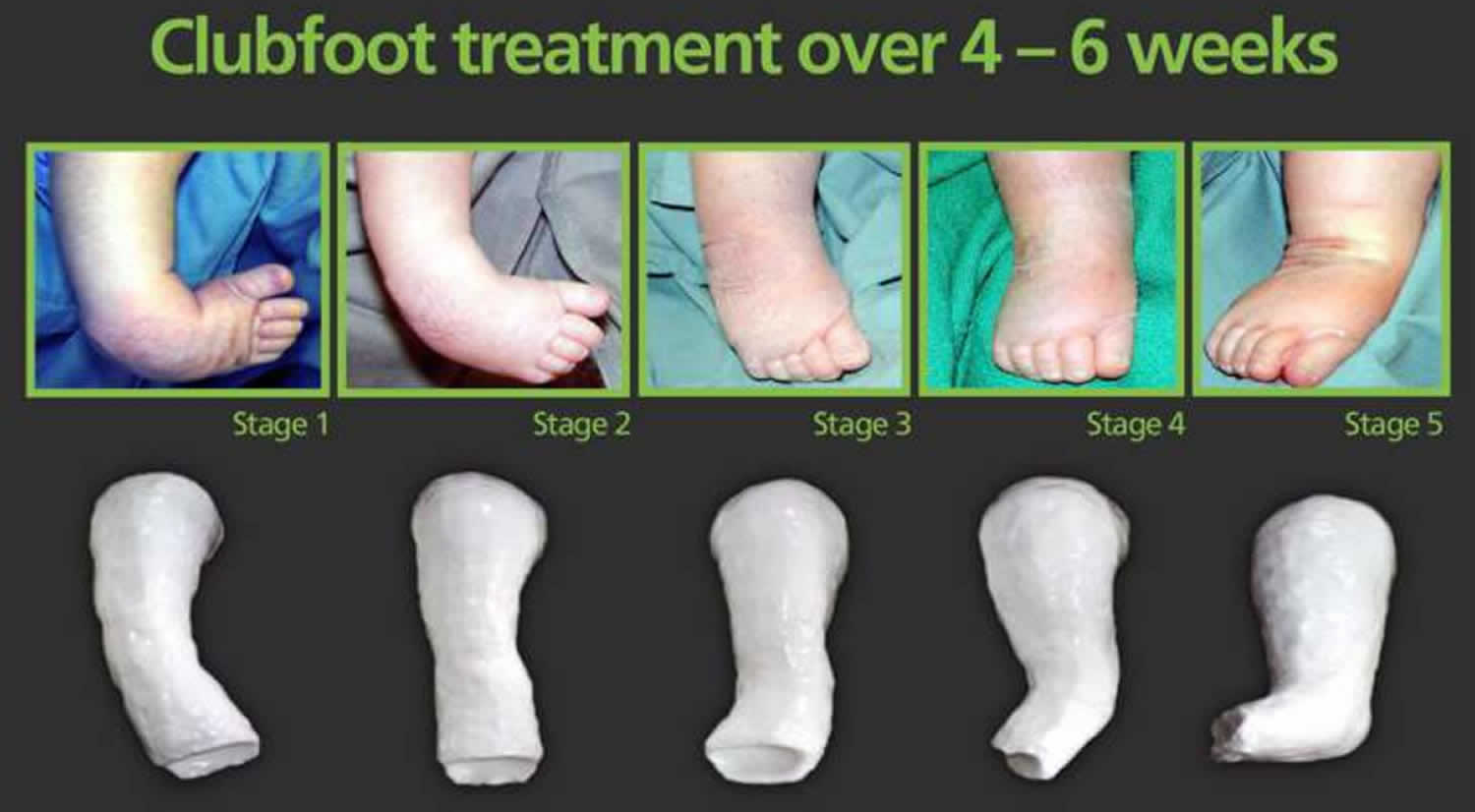
Ponseti Method For Clubfoot Treatment

Congenital Talipes Equino Varus In Human Body 2
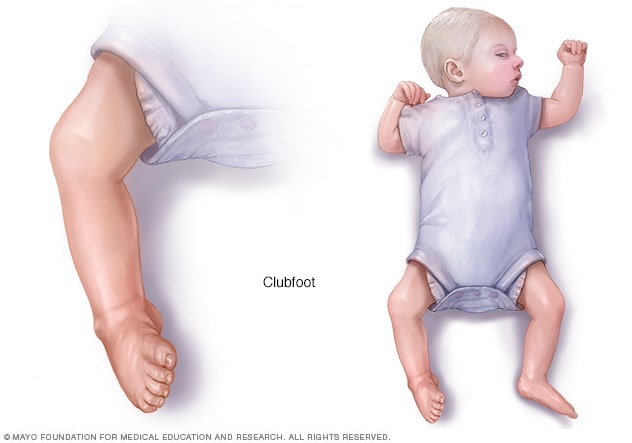
Clubfoot Symptoms And Causes Mayo Clinic

Foot Deformation Medical Desease Infographic Clubfoot Defect Stock Illustration Download Image Now Istock
1
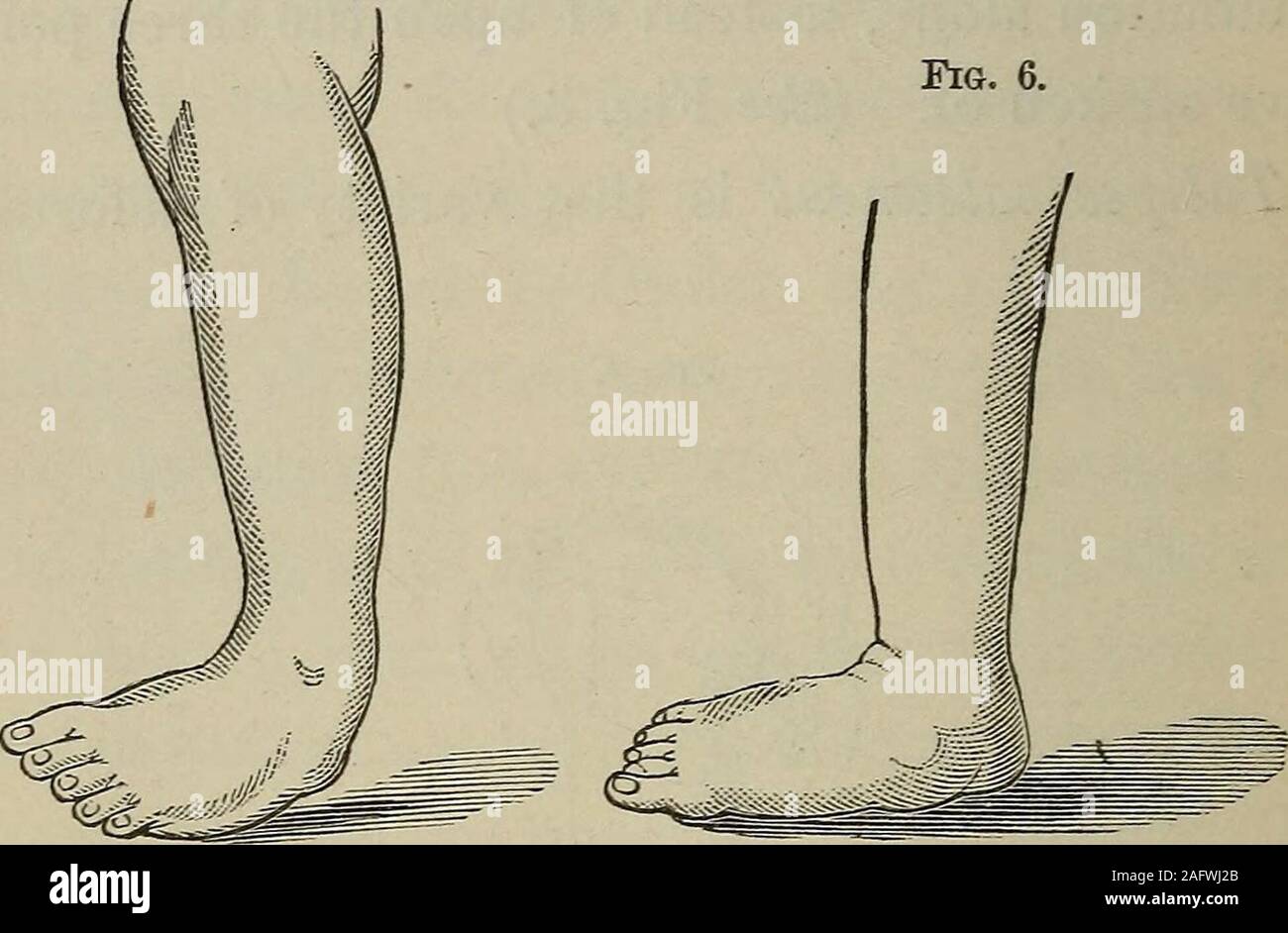
A Practical Manual Of The Treatment Of Club Foot Talipes Calcaneus Where The Anterior Portion Of The Foot Is Elevated And The Heel Touches The Ground See Fig 4 In Talipes Varus The
Congenital Clubfoot Early Recognition And Conservative Management For Preventing Late Disabilities Springerlink
Ponseti Method For Clubfoot Treatment

Congenital Talipes Equino Varus Congenital Clubfoot Ppt Video Online Download
Congenital Talipes Equino Varus Congenital Clubfoot Dr Imran
Congenital Talipes Equino Varus Congenital Clubfoot Dr Imran
Foot Deformities Concise Medical Knowledge

Clubfoot Stock Illustrations 98 Clubfoot Stock Illustrations Vectors Clipart Dreamstime

Feet

Current Concepts With The Ponseti Technique
Clubfoot And Other Foot Defects Children S Health Issues Medicine Com

Talipes Equinovarus Clubfoot And Other Foot Abnormalities Pediatrics Merck Manuals Professional Edition

Physical Therapy In Columbia For Pediatric Issues Clubfoot

Clubfoot Symptoms Stages Definition Description Demographics Causes And Symptoms Diagnosis
1
The Foot Springerlink
Copy Number Analysis Of 413 Isolated Talipes Equinovarus Patients Suggests Role For Transcriptional Regulators Of Early Limb Development European Journal Of Human Genetics
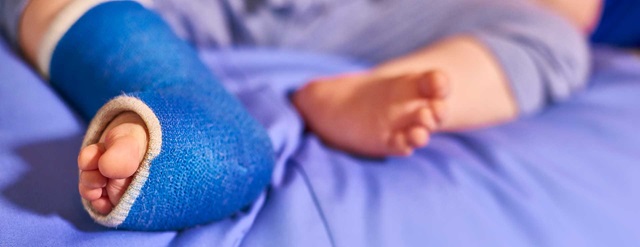
Clubfoot Johns Hopkins Medicine

Ch 13 Congenital Clubfoot Talipes Med Easy
Introduction To Clubfoot Physiopedia


